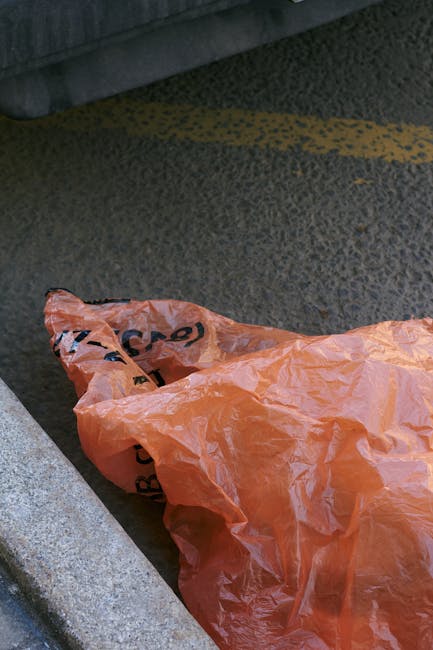
Fines for fly-tipping in Surbiton and how to avoid them
Fly-tipping can look like a quick fix when you have a pile of rubble, an old sofa, or a van-load of office clutter staring back at you. But in Surbiton, that shortcut can turn into a very expensive mistake. If you are searching for Fines for fly-tipping in Surbiton and how to avoid them, you probably want two things: a clear sense of the risk, and a simple way to stay on the right side of the rules.
This guide explains what fly-tipping means in practice, why councils take it seriously, how enforcement usually works, and what you can do instead. It also covers common slip-ups people make when getting rid of waste, from handing rubbish to the wrong person to assuming a driveway drop-off is fine. Truth be told, most of these problems start with a small bit of confusion, not bad intent.
By the end, you will know how to avoid fines, how to choose a proper disposal route, and when it makes sense to use a professional clearance service rather than trying to muddle through on your own.
Table of Contents
- Why fines for fly-tipping in Surbiton matter
- How fly-tipping enforcement works
- Key benefits of disposing waste properly
- Who needs this guidance
- Step-by-step guidance to avoid fines
- Expert tips for safer waste disposal
- Common mistakes to avoid
- Tools, resources and recommendations
- Law, compliance and best practice
- Options and comparison table
- Real-world example
- Practical checklist
- Conclusion
- Frequently Asked Questions
Why fines for fly-tipping in Surbiton matter
Fly-tipping is not just "messy dumping". It is illegal waste disposal, and local authorities treat it as a real enforcement issue because it affects streets, parks, private land, alleyways, business yards, and shared residential spaces. In a place like Surbiton, where streets are busy and space is tight, even a small pile of waste can become a bigger nuisance very quickly.
The obvious risk is financial. A fixed penalty or fine can sting, and the cost may rise if the waste is bulky, hazardous, or linked to repeated offending. But the wider problem is the knock-on effect: time spent clearing the mess, possible investigation, and the headache of proving you were not responsible if someone used your waste improperly. That last bit catches people out more often than you would think.
There is also a reputational side for businesses. If builders' waste, office furniture, or trade rubbish ends up dumped where it should not be, the business owner can end up dealing with complaints, operational delays, and unnecessary stress. Let's face it, nobody wants their name attached to a fly-tip on a wet Tuesday morning when the council or a neighbour is taking photos.
For residents, the issue is often simpler but still serious. You might be clearing a loft, moving out of a flat, or replacing garden furniture. If waste is left beside a bin, handed to an unlicensed collector, or abandoned because a vehicle is "full" and there is nowhere else to put it, the consequences can follow you. The law usually cares less about your intention and more about what happened to the rubbish.
Key takeaway: the safest way to avoid fines is to make sure every item goes to a legitimate, traceable disposal route, with proper handling from start to finish.
How fines for fly-tipping in Surbiton and how to avoid them works
In practical terms, fly-tipping enforcement usually starts with evidence. That may come from a witness report, CCTV, vehicle details, documents found in the waste, or patterns of repeated dumping in the same spot. If your waste is traced back to you, even indirectly, you may be asked to explain how it was removed and who handled it.
There are a few common pathways to liability. You may be responsible if you dumped the waste yourself. You may also be responsible if you gave waste to someone who then dumped it illegally and you failed to check whether they were legitimate. That is the part many people misunderstand. Handing over rubbish does not automatically hand over responsibility. If you do not take reasonable steps, you can still be exposed.
Typical warning signs include a collector who offers a cash deal, arrives in an unmarked vehicle, refuses to provide details, or says they will "sort the paperwork later". That sort of arrangement may feel convenient in the moment, especially if the hallway is cluttered and you just want the stuff gone. But convenience and compliance are rarely best friends.
In Surbiton, as elsewhere in London, councils can investigate household, garden, commercial, and construction waste dumping. Depending on the circumstances, enforcement may involve a fixed penalty, a prosecution route, or removal and clean-up action. Exact outcomes vary, and it is better not to assume a small-scale tip will be treated lightly. Sometimes it is. Sometimes it is not. You do not want to gamble on that.
How do you avoid all of it? By using a disposal method that is clear, documented, and suitable for the waste type. Keep records, use reputable operators, and do not leave waste with anyone unless you are confident it will be managed properly. A little caution here saves a lot of grief later.
Key benefits and practical advantages
Avoiding fly-tipping fines is the headline benefit, of course, but the real gains go further than that. Proper disposal gives you control, lowers stress, and makes it easier to plan a clearance without last-minute panic. That matters whether you are emptying a house, moving office furniture, or dealing with builders' rubble after a renovation.
- Lower legal risk: you reduce the chance of being linked to illegal dumping.
- Cleaner handover: if you are moving, selling, or letting a property, a proper clearance looks far better than a rushed dump.
- Better traceability: paperwork and receipts help show the waste was handled correctly.
- Less physical effort: bulky items, garden waste, and mixed rubbish are easier to manage with the right service.
- More responsible disposal: you are far more likely to support recycling and reuse where possible.
There is a quieter benefit too: peace of mind. Once the waste is gone and you know it was dealt with properly, you stop wondering whether someone might later ask awkward questions. That feeling is worth a lot. It really is.
If your clearance includes furniture or mixed household items, a professional furniture clearance or a wider home clearance can be a much safer route than trying to split everything into separate trips yourself.
Who this is for and when it makes sense
This guidance is useful for anyone in Surbiton who needs to get rid of waste without falling into a legal trap. That includes homeowners, tenants, landlords, letting agents, builders, tradespeople, and local businesses. If you have ever stood in a room full of unwanted items and thought, "Right, what now?", this is for you.
It is especially relevant in a few common situations:
- you are clearing a flat or maisonette after a move
- you have old office desks, chairs, or filing cabinets to remove
- you are dealing with garden cuttings, broken fencing, or shed contents
- you have builders' rubble, packaging, or renovation waste
- you inherited a property and need it emptied carefully
- you want to avoid using an unlicensed man-and-van service
It also makes sense if you are not sure what counts as fly-tipping. For example, putting bags beside a communal bin because the bin is full is not a safe assumption. Nor is leaving furniture outside "for collection later" if no formal collection has been arranged. Small misunderstandings like that are exactly how people end up in trouble.
For larger clearances, it can be worth looking at a specialist service such as house clearance, office clearance, or builders waste clearance depending on the waste type. Different jobs need different handling, and that is fair enough.
Step-by-step guidance
If you want the simplest route to avoiding fines, follow a sensible process rather than improvising. It sounds obvious, but the number of messy situations that begin with "I thought it would be fine" is slightly depressing.
- Identify the waste type. Separate household rubbish, bulky items, garden waste, construction debris, and any potentially hazardous items. Mixed waste is usually harder to manage and easier to get wrong.
- Decide what can be reused, donated, or recycled. Good-quality furniture, usable office equipment, and some household items may not need full disposal at all.
- Choose a proper disposal route. That might mean a licensed waste carrier, a council-approved collection method, or a professional clearance service.
- Check what the collector will take. Ask clear questions about access, item types, and whether any items need special handling. If the answer is vague, be cautious.
- Keep evidence. Save booking details, invoices, and any written confirmation. These records can be useful if questions arise later.
- Do not leave waste unsecured. Bags, broken furniture, and scrap materials should not be abandoned on pavements, verges, or shared land.
- Follow up after collection. Make sure the waste has actually gone. If you are using an outside collector, do not rely on a smile and a handshake. Nice enough, but not enough.
For garden jobs, the same principles apply. A tidy pile of branches may feel harmless, but it still needs proper handling. If you are dealing with outdoor waste, a dedicated garden clearance is often the neatest option. For garages and lofts, the mess is usually a mixed bag, so garage clearance or loft clearance can be the better fit.
Expert tips for better results
The best advice is usually the least glamorous: be methodical. A lot of fines happen because people rush. They want the space back quickly, the clutter out of sight, and the job finished by tea time. Fair enough. But rushing waste disposal is how people skip the checks that matter.
Tip 1: ask for a clear description of the service. If someone is removing waste from your property, you want to know what happens next. Is it sorted, recycled, or just tipped somewhere unknown? Reputable providers should be able to explain their process in plain English.
Tip 2: use item lists where possible. A rough list of what is being removed can help if there is ever a dispute. Even a short note on your phone is better than relying on memory after a hectic move.
Tip 3: do not assume "cheap" means harmless. A very low price can be attractive, especially when you are facing a pile of awkward stuff. But if the operator is unlicensed or careless, any saving can evaporate the moment enforcement kicks in.
Tip 4: match the service to the waste. Office furniture, domestic clearances, building rubble, and bulky single items all have different handling needs. A more tailored service usually reduces risk and saves time.
Tip 5: think about access and loading in advance. Surbiton streets, shared driveways, and narrow front paths can make collection logistics awkward. A quick check before the day of the job can prevent last-minute chaos.
If you want a broader waste solution rather than one-off removal, look at the site's general waste removal options. That can be especially useful when you are juggling mixed waste and want one clear plan instead of three half-finished ones.
Common mistakes to avoid
A surprising number of fly-tipping cases start with an everyday mistake rather than deliberate dumping. Here are the ones worth watching out for.
- Using an unknown man-and-van without checking credentials. If they cannot explain how waste will be handled, walk away.
- Leaving rubbish by communal bins. "Near the bins" is not the same as "properly collected".
- Assuming a friend or contractor will deal with it. If the waste comes back to you, you may still be responsible for it.
- Mixing hazardous items with normal rubbish. This can make disposal more difficult and may create safety risks.
- Not keeping receipts or proof. Paperwork feels boring until you need it.
- Dumping because you missed a booking window. That last-minute temptation is exactly what catches people.
One practical example: someone clears an office and leaves old chairs behind a loading bay overnight because the arranged collection was delayed. By morning, the chairs are gone, but not necessarily collected. If they end up dumped elsewhere, tracing responsibility can get awkward fast. Much safer to secure the items and reschedule properly.
And yes, it is a bit annoying when a job gets delayed. But annoying is better than fined.
Tools, resources and recommendations
You do not need a complicated toolkit to avoid fly-tipping trouble. What you need is a simple system that helps you make better decisions quickly.
- Phone camera: take photos of the waste before removal and after collection if needed.
- Basic notes app or checklist: keep a record of item types, dates, and who collected them.
- Labels or bin bags: separate reusable items, recycling, and general waste where possible.
- Booking confirmation: keep the confirmation email, message, or written quote.
- Service pages that match your job: for example, flat clearance for apartment moves, furniture disposal for bulky items, or business waste removal for commercial waste.
If you are comparing providers, read the site's pricing and quotes information so you understand how jobs are usually estimated. It is also sensible to review recycling and sustainability if you want a cleaner, more responsible outcome.
For trust and process details, the pages on about us, insurance and safety, and health and safety policy can also be helpful. Nobody loves reading policy pages, granted, but they do tell you a lot about how seriously a company takes its work.
Law, compliance and best practice
In the UK, the practical rule is straightforward: waste should only be passed to someone who is authorised and capable of handling it lawfully. If you cannot show that you took reasonable steps, you may struggle to defend yourself if the waste is later dumped illegally. That is the core issue, even when the details vary from case to case.
Best practice normally includes checking the collector's legitimacy, getting a written record of the arrangement, and making sure the waste goes to a proper destination rather than being "disposed of" in a vague or unverified way. You do not need to become a legal expert, but you do need enough care to avoid obvious red flags.
For businesses, the compliance bar is often a bit higher in practice because trade waste, office clearance, and site clearance tend to create more volume and more complicated waste streams. A little extra organisation at the start can save a lot of trouble later, especially where mixed materials are involved.
It is also worth remembering that clean handling is part of good neighbourly behaviour. Surbiton is the sort of place where people do notice what is left outside, who collected it, and how long it stayed there. That is not judgment, just reality.
Options, methods, or comparison table
Below is a simple comparison of common disposal routes. The right choice depends on the amount of waste, the type of items, and how much time you have.
| Method | Best for | Pros | Watch out for |
|---|---|---|---|
| Self-haul to a disposal facility | Smaller loads, straightforward household waste | You stay in control, can separate items carefully | Time, transport, lifting, and making the wrong disposal choice |
| Professional clearance service | Bulky items, mixed waste, time-sensitive jobs | Less lifting, faster clearance, easier documentation | Choose a reputable provider and confirm what is included |
| Reuse or donation route | Usable furniture and good-condition items | Reduces waste, often the most responsible option | Not everything is suitable, and collection can be selective |
| Builder or trade clearance | Rubble, packaging, renovation waste | Designed for heavier, messier loads | Some materials may need separate handling |
If the job involves premises rather than a home, the distinction matters. An office tidy-up is not the same as clearing a loft, and builders' debris is not the same as old wardrobes. Matching the method to the mess is half the battle.
Case study or real-world example
A fairly typical example goes like this. A small Surbiton business clears out old desks, monitors, and broken chairs after an office refit. The owner gets a cheap offer from someone who can collect "this afternoon", pays quickly, and the items disappear. Everyone breathes out.
Two weeks later, a pile of office waste turns up dumped elsewhere, and documents in the material point back to the original business. The owner is then forced to explain what happened, who collected it, and whether any checks were made. Even if the owner did not dump the waste personally, the situation is still stressful, time-consuming, and avoidable.
Now compare that with a more careful approach. The business uses a formal office clearance, asks what will happen to the items, keeps the booking details, and makes sure the removal fits the type and volume of waste. The job still takes time, but the risk drops dramatically.
The same pattern shows up in domestic work too. A family clearing a house after a move may be tempted to leave a sofa outside "just for the morning". It looks harmless. Then rain arrives, passers-by add more rubbish, and suddenly there is a very different story. Small choices, big consequences. That is usually how it goes.
Practical checklist
Use this before you hand over any waste or arrange a collection.
- Have I identified exactly what needs removing?
- Can any items be reused, sold, donated, or recycled?
- Have I chosen a legitimate disposal route?
- Do I know what the collector will do with the waste?
- Have I got written confirmation, a receipt, or a booking record?
- Are there any bulky, hazardous, or awkward items that need special handling?
- Have I kept the waste secure until collection day?
- Do I need a specialist service such as garage clearance, loft clearance, or builders waste clearance?
- Would it help to compare options on pricing and quotes before booking?
- Have I taken photos for my own records, just in case?
If you can tick most of those boxes, you are already ahead of the game.
Get a free quote today and see how much you can save.
Conclusion
Fines for fly-tipping in Surbiton are avoidable when you treat waste disposal as a process, not a rush job. Identify the waste, check who is handling it, keep records, and choose a route that matches the job. That simple discipline protects you from unnecessary risk and usually makes the whole job feel a lot less stressful.
If you are dealing with bulky household items, mixed business waste, or a clearance that is starting to feel bigger than expected, the sensible move is to choose a proper service rather than taking a punt. Cleaner, safer, calmer. A bit less faff, too.
And once the space is clear, you notice it straight away: the room feels lighter, the path is open, and the whole place breathes again. That is the real reward, honestly.
Frequently Asked Questions
What counts as fly-tipping in Surbiton?
Fly-tipping usually means leaving waste somewhere it should not be, such as on a street, verge, alley, private land, or beside bins without permission or proper collection. It can include household rubbish, furniture, builders' waste, garden cuttings, and commercial items.
Can I get fined if I hired someone else to take my rubbish?
Yes, potentially. If you gave waste to someone who then dumped it illegally and you did not take reasonable steps to check they were legitimate, you may still face action. That is why checking details matters so much.
How do I avoid fly-tipping fines when clearing a house?
Use a proper clearance route, keep records, do not leave items outside, and avoid unknown collectors. A planned house clearance is usually safer than trying to improvise with a few car trips.
Is leaving bags next to a bin considered fly-tipping?
It can be, yes. If the bags are not collected through a proper arrangement and end up abandoned, enforcement may treat that as illegal dumping. It is better to keep waste secure until collection.
What should I ask a waste collector before booking?
Ask what they take, how they handle the waste, whether they can provide booking confirmation, and what happens to bulky or special items. If the answers are vague, that is a warning sign.
Do I need paperwork for a waste collection?
Keeping paperwork is strongly recommended. A receipt, booking record, or written confirmation can help show you arranged disposal properly. It does not need to be complicated, just clear.
What is the safest way to dispose of office furniture?
A dedicated office clearance or furniture-focused service is usually the safest option because desks, chairs, cabinets, and monitors may need different handling from normal household waste.
Can garden waste lead to fly-tipping issues too?
Yes. Garden waste still needs proper disposal. Branches, soil, turf, and old timber should not be left around or dumped informally. A garden clearance keeps the process tidy and traceable.
Is the cheapest clearance option always the worst?
Not always, but very cheap offers deserve extra caution. The main question is whether the provider is legitimate, clear about the process, and able to dispose of waste responsibly.
What should I do if I already used an unlicensed collector?
If you are worried, gather any records you have, note dates and vehicle details if possible, and stop using that route again. Going forward, use a reputable provider and keep proof of what was collected. Better to reset the process now than repeat the mistake.
Can a professional clearance service help me avoid fines?
Yes, a proper service can reduce risk because it gives you a structured, traceable disposal route. For mixed waste or bulky items, that peace of mind is often worth it.
Where can I find more information about service options and standards?
Useful starting points on the site include recycling and sustainability, insurance and safety, and contact us if you need to discuss a specific clearance.