Office Clearance in Surbiton

We provide office clearance in Surbiton for businesses that need workspaces, storage rooms and shared areas cleared in a controlled, practical way. Our service covers the removal of office furniture, mixed workplace items and general contents that are ready to leave the premises, with the aim of leaving rooms easier to hand back, rework or redeploy. If you need a straightforward commercial clearance rather than a one-size-fits-all sweep, we can help shape the work around the layout and the items involved.
Office clearances often need a careful order of work because desks, chairs, cabinets, screens, filing and smaller office items do not all behave the same once they start moving. We deal with clearances that may involve a single room, several floors or a complete workplace, and we keep the service focused on what actually needs to go. If you are planning an office move, a refit, a closure or a reduction in space, our team can remove surplus contents without turning the job into unnecessary disruption.
For an overview of related services, you can also look at office clearance, business waste removal and furniture clearance. Those pages give a clearer picture of the kinds of commercial items we handle and how the service can be adapted to different settings. Clearance work is usually easiest when the items are grouped by type and access is kept open, but we can discuss the practical details with you before anything is removed.
What an office clearance can cover

An office clearance can include desks, task chairs, storage cupboards, shelving, reception furniture, break-area items and mixed contents from cupboards or communal spaces. Depending on the job, the work may also involve removing redundant display units, archive furniture and other workplace fixtures that are no longer needed. The key point is to separate what is staying from what is leaving, so the clearance supports the next stage of use for the site rather than simply emptying it without a plan.
In many workplaces, a clearance is not only about removing bulky items. There may be smaller pieces that accumulate over time: broken chairs, loose fittings, redundant office accessories, old noticeboards or miscellaneous contents from drawers and shelves. We can deal with these alongside the larger items, which is helpful when a room needs to be handed over tidily. Where materials have been stored in several places, the job can be organised zone by zone so that the final result remains manageable.
Before a clearance begins, it helps to decide which areas are being cleared in full and which are only being reduced. A simple list of priority rooms, item groups and any access restrictions can keep the process clear. If there are items that must remain on site, it is best to separate them early so they do not get mixed into the clearance area. That approach keeps the work efficient and reduces avoidable handling.
Commercial furniture and workplace items
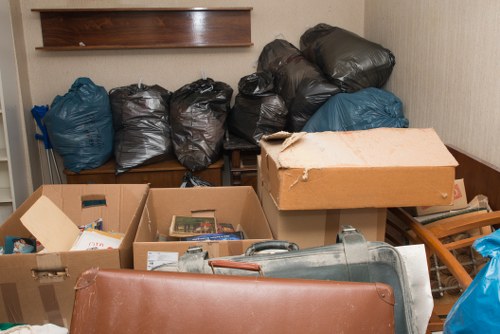
Office furniture is usually the core of the work. We can remove larger items such as desks, filing cabinets, meeting tables and storage units, as well as lighter fittings that are still awkward to carry through corridors or stairways. In some workplaces, furniture has been assembled in layers over many years, so part of the job is identifying what can be removed cleanly and what needs careful dismantling before it can leave the room. That makes the clearance more orderly and easier to finish.
Other workplace contents may include printers, projectors, small appliances, boxed paperwork, screens and mixed equipment used by staff or visitors. These items often need to be grouped properly so that the clearance does not affect anything still in active use. Where a business is updating part of its workspace, the work can be arranged to remove redundant items first and leave the rest of the room ready for the next stage. The result is a more workable office environment without overcomplicating the process.
When you are deciding what to clear, it can help to think in practical categories:
- items that are no longer needed at all
- furniture being replaced during a refit
- contents from rooms being returned or reallocated
- general workplace items that have built up over time
- larger pieces that need careful movement or dismantling
Planning a workplace clearance
A good office clearance usually starts with a clear understanding of access, item types and the rooms involved. We can work from a description of the site and the contents so that the clearance is planned sensibly from the beginning. If stairs, loading points, narrow corridors or shared entrances are part of the job, these details matter because they affect how the clearance is carried out and how the work is sequenced. Good planning keeps the service practical rather than improvised.
It is often useful to identify any items that need special handling before the work begins. That may include unusually heavy furniture, contents stored in locked areas or material that needs to remain separate from the main clearance. Even a modest amount of organisation at the start can make a commercial clearance smoother, especially where several people use the same premises. If you already have a room list or a rough inventory, that can help us understand the scale of the job more accurately.
You do not need to prepare the site in a complicated way. The main aim is simply to make the scope understandable and to keep important items out of the clearance area. If you are comparing options for the job, our pricing and quotes page may be useful for understanding how requests are handled. A concise description of the rooms, the main contents and any access considerations is usually enough to begin.
Office moves, reductions and close-down work
Some clearances take place because a business is moving to a different office, changing layout or reducing the amount of space it uses. In those situations, the work may need to support both removal and separation: items for disposal, items for storage and items that will be reused elsewhere. We can help with the removal side of that process by clearing redundant furniture and contents from the relevant rooms while keeping the work aligned to the business’s next step.
Close-down work can be broader, because it may involve almost everything in the premises apart from what is being retained for records, security or handover. The pace and order of the clearance can matter, particularly where several rooms must be cleared in sequence or where access needs to remain available for other contractors. If your office move or closure includes mixed contents as well as furniture, the job can be planned around the actual layout rather than forcing every item into the same treatment.
For businesses that also need broader commercial removal, waste removal can be a useful related page to review. It sits alongside office clearance work where a site has more than one category of unwanted material. In practice, the right approach is often to separate office furniture, office contents and any other materials into sensible groups so the clearance is easier to manage from start to finish.
About Surbiton

Surbiton is a town in the Royal Borough of Kingston upon Thames in southwest London, set on the south bank of the River Thames. Its identity has been shaped by the arrival of the railway in the 19th century, especially the station opened in 1838 on the London and Southampton Railway, which helped transform the area from a modest settlement into a significant commuter centre. The station remains one of the best-known landmarks in the town, with its distinctive Art Deco frontage dating from the 1930s and its role as a busy transport gateway still central to local life. Beyond the station, Surbiton has a varied built character: there are Victorian and Edwardian streets, later residential development, and stretches of suburban architecture that reflect different phases of growth. The area also has a strong place within the wider Thames-side landscape, with Kingston Bridge and the river corridor linking it to neighbouring districts and to the centre of Kingston. Local green spaces such as Fishponds Park and the riverside walk near the Thames give the town a more open feel, while the nearby built-up streets preserve a recognisable centre around the station and high street. Surbiton has long been associated with rail travel, suburban housing and a layered townscape rather than a single historic core, and that combination gives it a character that is both practical and distinctly local.
Why organised clearance matters in a working office
An office clearance works best when the items are removed in a sensible order. That usually means clearing shared spaces first where needed, then moving through individual rooms or storage areas in a way that keeps access open. In an active workplace, this can help staff continue their routine while the clearance is taking place. It also reduces the chance of items being moved twice, which saves time and avoids confusion about what remains on site.
There can also be differences between a standard furniture removal and a broader contents clearance. Furniture is often the obvious part of the job, but office clearances frequently include shelves, cabinets, loose items and accumulated materials that need a careful sort. The better the separation between what stays and what leaves, the cleaner the final result. If your premises include more than one floor or a mixture of private and shared spaces, those distinctions matter even more because access and movement routes can change from room to room.
Where relevant, our flat clearance and home clearance pages show other property types we cover, but office work has its own set of practical considerations. The commercial environment usually needs clearer sequencing, more attention to shared access and a tighter focus on furniture and workplace contents. That is why an office-specific service is often the better fit for business premises and managed spaces.
Recycling, disposal and sorting
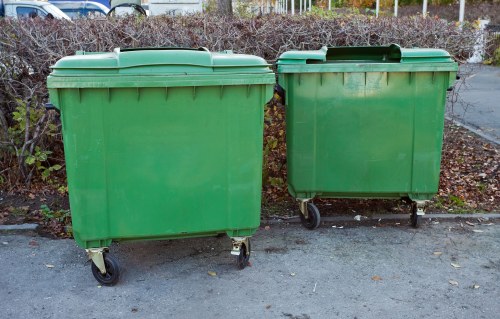
Clearance work often involves more than simply moving items away. Different contents can need different treatment once they have left the room, so it helps if the clearance is arranged with sorting in mind. Office furniture may be separable from general contents, and mixed items can often be grouped to make handling easier. The practical aim is to keep the process orderly from the point of removal onwards, which is particularly useful when premises contain a lot of overlapping material.
Our recycling and sustainability page gives a broader view of how materials may be handled where sorting is appropriate. For office customers, the main point is that the clearance is not just about volume; it is also about removing the right items in the right way. That is especially important when a workplace has several categories of contents stored together, because the service has to respect the different roles those items play before and after removal.
Where a business is trying to keep the site tidy while preparing for new use, it is usually better to make the clearance specific rather than vague. You do not need a long explanation, but a clear description of what is being removed, how much space it occupies and whether any items are staying behind can make all the difference. Tell us what needs to go, what must remain and whether access is straightforward, and we can discuss the most sensible way to handle it.
Choosing the right scope for your premises
Not every office clearance is the same. Some jobs involve a few redundant pieces of furniture; others involve a complete clearance of a whole floor or an entire suite. Because of that, it is sensible to define the scope by rooms, item groups and any restrictions rather than by guesswork. If you are unsure whether a job counts as furniture removal, contents clearance or a wider commercial clearance, the safest approach is to describe the site in ordinary terms and let the practical details determine the plan.
For larger premises, it can be useful to consider the work in stages. For example, one stage may involve removing old furniture, another clearing storage areas and a third dealing with the last small contents from cupboards or shared rooms. Staged work can be especially helpful when the property is still in use or when different teams are responsible for different parts of the building. It keeps the clearance organised and gives everyone a clearer picture of progress.
If you are ready to move on, contact us to request a quotation for office clearance in Surbiton. You can also review about us if you want to see more about the wider business before sending your enquiry. The aim is simple: give us a clear description of the space, and we can help shape a practical clearance plan.