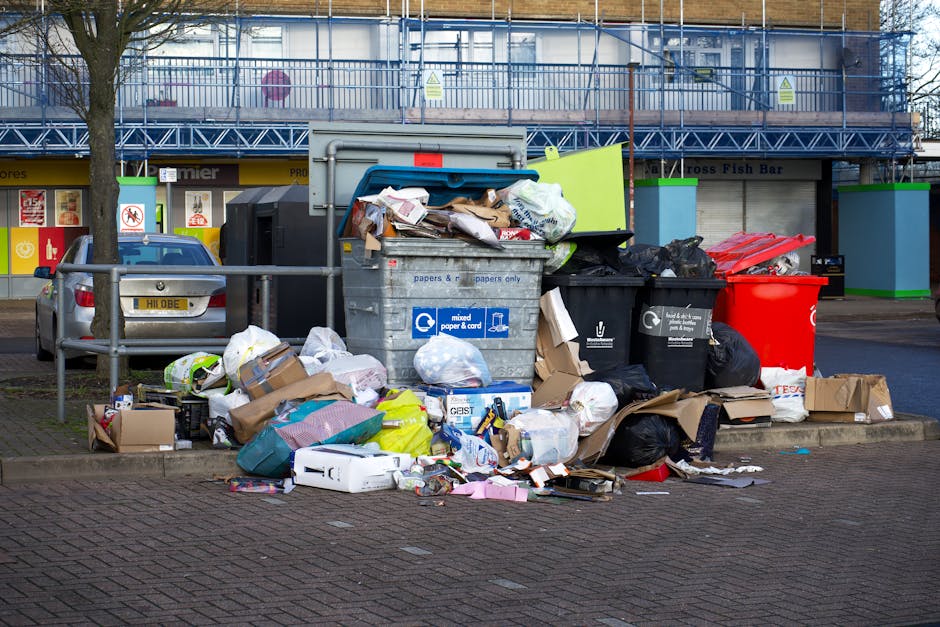
Narrow-street bulky waste solutions for Surbiton homes
If you live on a tighter Surbiton road, you already know the drill: a sofa that will not quite clear the gate, a wardrobe that turns every corner into a puzzle, and a pavement that feels smaller the moment a bulky item appears. Narrow-street bulky waste solutions for Surbiton homes are designed for exactly that kind of day-to-day reality. They help you remove large household items safely, neatly, and without turning your front street into a blockade.
Whether you are clearing out after a move, replacing old furniture, or dealing with a backlog of "we'll sort that later" items in the loft or spare room, the challenge is often access, not effort. The right approach saves time, reduces stress, and keeps neighbours, vehicles, and pedestrians out of harm's way. In this guide, we'll walk through how it works, what to expect, common mistakes, and the practical choices that make narrow-street clearance much easier. For a broader sense of service coverage, it can also help to look at the main Surbiton clearance service overview alongside the details below.
Table of Contents
- Why Narrow-street bulky waste solutions for Surbiton homes Matters
- How Narrow-street bulky waste solutions for Surbiton homes Works
- Key Benefits and Practical Advantages
- Who This Is For and When It Makes Sense
- Step-by-Step Guidance
- Expert Tips for Better Results
- Common Mistakes to Avoid
- Tools, Resources and Recommendations
- Law, Compliance, Standards, or Best Practice
- Options, Methods, or Comparison Table
- Case Study or Real-World Example
- Practical Checklist
- Conclusion
- Frequently Asked Questions
Why Narrow-street bulky waste solutions for Surbiton homes Matters
Surbiton has a mix of property styles, from terraced streets and older homes with tighter front access to cul-de-sacs where parking can be awkward at the best of times. That makes bulky waste collection more complicated than simply lifting an item into a vehicle. A typical "one-size-fits-all" approach can create problems fast: blocked driveways, damaged walls, scratched banisters, upset neighbours, or items left half-out on the pavement because nobody planned for the turning space.
Truth be told, narrow streets expose the weak spots in a clearance plan. A bulky item might fit through a front door but still be impossible to turn in a hallway. A van may be able to stop nearby, but not close enough for a safe lift. Even a short transfer from the house to the vehicle can become tricky if bins, cars, and street furniture are in the way.
This is why proper planning matters. The best narrow-street bulky waste solutions are not just about "taking stuff away". They are about using the least disruptive route, protecting the property, and keeping the job moving without drama. That includes checking access points, considering parking restrictions, and making sure the waste is handled in a way that supports recycling and responsible disposal. If you want to understand how those values shape a service, the company's recycling and sustainability approach is worth a look.
For many households, this also becomes a safety issue. Heavy furniture moved through a cramped hallway can easily trap fingers or cause a strain injury. Stacked items in a front garden or on a shared path can create trip hazards. And in a neighbourhood setting, nobody wants a removal job that feels like it has taken over the whole street by lunchtime. A good solution keeps the job calm and controlled. That part matters more than people often expect.
How Narrow-street bulky waste solutions for Surbiton homes Works
At a practical level, narrow-street bulky waste removal is a planning exercise first and a lifting job second. The process usually starts with understanding the property layout, the size and weight of the items, and how close a vehicle can realistically get. On narrow roads, the difference between an easy collection and a frustrating one is often a few metres of access.
Here is the basic flow most well-run removals follow:
- Initial assessment. The team checks what needs removing, how many items there are, and where they are located in the home.
- Access review. Door widths, stair turns, shared entrances, parking constraints, and any tight outdoor space are considered.
- Collection planning. The safest route is chosen, along with the best time for reduced street congestion if possible.
- Removal and loading. Items are moved carefully, with attention to walls, floors, bannisters, and nearby vehicles.
- Sorting and disposal. Materials are separated where possible so reusable or recyclable items do not end up mixed with general waste.
Sometimes the most efficient solution is a small crew with careful manual handling. Sometimes it is better to use a vehicle positioned a little further away and move items in stages. In more awkward cases, the job may need a phased approach: one load from upstairs, then another from the garage, then a final sweep for loose bits that people always forget about, like broken shelving or an old airer in the corner.
To be fair, the "how" depends on the street as much as the waste itself. A quiet side road at 10 a.m. is a very different proposition from a school-run bottleneck at 8.30. The best operators factor that in instead of pretending every property is the same.
Key Benefits and Practical Advantages
There are some obvious benefits to getting bulky waste removed properly, but the less obvious ones are often the most valuable.
- Less disruption on tight roads. A planned collection keeps footpaths and parking spaces clearer for longer.
- Reduced risk of damage. Proper handling protects walls, floors, garden paths, and door frames.
- Better use of time. A coordinated job is faster than repeated dragging, shifting, and rethinking the route.
- Safer lifting. Heavy or awkward items are handled with the right technique and equipment.
- Cleaner clear-outs. Unwanted items are removed in one go rather than leaving clutter sitting around for days.
- More responsible disposal. Good services sort for reuse and recycling where practical, which reduces waste.
There is also a quieter advantage: peace of mind. If you have ever tried to manoeuvre a mattress around a bend in a narrow Victorian hallway, you'll know the feeling. It sounds simple until you are halfway through and the item is suddenly all corners and no angle. A professional, access-aware process removes that uncertainty.
Another benefit is flexibility. Some Surbiton homes need a small, targeted collection; others need a staged clearance after renovation, tenancy changeover, or an inherited property sort-out. Narrow-street solutions can be adapted to both. That adaptability is one reason they work so well in mixed residential areas.
Who This Is For and When It Makes Sense
This kind of service suits anyone dealing with bulky household items in a place where access is not generous. It is especially useful for residents in terraced streets, older homes, converted properties, and places where parking is already at a premium.
Typical situations include:
- old sofas, armchairs, wardrobes, and beds that need to go quickly
- white goods such as washing machines or fridge-freezers
- garage clutter, shelving, and broken storage units
- loft contents being cleared before renovation or sale
- end-of-tenancy clearance where time and access are both tight
- single-item removals that are too awkward for council-style collection schedules
It also makes sense when neighbours matter a lot. On a narrow street, one badly timed skip or a pile of items left on the pavement can cause friction very quickly. A proper collection keeps things tidy and reduces the odds of the "whose van is that?" conversation on the pavement. Nobody needs that.
For householders comparing options, it can be useful to review pricing and quote guidance before deciding whether a one-off clearance or a more tailored visit is the right fit. If your item list is small, a simple collection may be enough. If the property is tricky, planning tends to be worth every bit of effort.
Step-by-Step Guidance
If you want a smooth result, think in stages. The best narrow-street bulky waste removals are usually the ones that look almost boring from the outside, because everything was sorted before the van arrived.
1. Walk the route first
Check the full path from the item's current position to the street. Look for low ceilings, tight turns, narrow doorways, slippery steps, and anything that might snag handles or corners. A quick phone photo can help you think clearly, especially if the property feels cramped in person.
2. Group items by size and fragility
Separate heavy items from lighter ones, and keep breakable surfaces or loose parts protected. If you have a flat-pack wardrobe dismantled into sections, keep the fittings in a bag. It sounds tiny, but it saves time later.
3. Check parking and access constraints
On narrow streets, a parked car can change everything. Note where vehicles can legally stop, whether a permit is required, and whether the street gets busy at certain times. Even a couple of extra metres of distance can matter when moving a big object by hand.
4. Decide what can be reused, recycled, or removed as waste
Not all bulky items are equal. Some furniture can be reused if it is in decent condition; some electrical items need special handling; some mixed-material pieces are best separated before loading. Sorting this early helps with responsible disposal and can reduce avoidable waste.
5. Keep the clearance area clear
Move smaller items, shoes, plant pots, and anything else that could trip someone up. If the weather is wet, wipe the floor near the route. A damp front step and a heavy cabinet are not a great combination. Slightly obvious, yes, but worth saying.
6. Use the safest loading method
The route to the vehicle should be the safest route, not the shortest at any cost. Sometimes that means carrying a sofa around the side of the house. Sometimes it means using extra hands for a stair turn. Sometimes it means stopping and rethinking the angle because the first plan was a bit too optimistic. Happens all the time.
7. Confirm disposal and aftercare
Once the load leaves the property, the job should still be handled properly. Responsible operators separate materials where possible and keep paperwork or service records in order. If you want a sense of the standards behind that process, the company's health and safety policy and insurance and safety information are useful trust signals.
Expert Tips for Better Results
These are the small, practical habits that make a big difference on narrow Surbiton streets.
- Measure the awkward bits, not just the item. Door frames, landings, stair turns, and external gates are where surprises happen.
- Photograph the route in daylight. A phone flash makes narrow spaces look wider than they are. Daylight is more honest.
- Bundle small loose waste. Loose screws, cushions, shelves, and attachments slow everything down if they are scattered around the house.
- Book for a calmer window if you can. Mid-morning often works better than the rush hour edges, especially on residential roads.
- Keep utilities in mind. Radiators, cables, and pipework can sit in surprising places on older properties.
- Ask about sorting before loading. If items can be separated for recycling, that can support a cleaner and more efficient process.
One small but useful habit: leave a bit of breathing space around each item. A sofa that is "just touching" the wall can become a sofa that refuses to move when the first corner catches. That tiny margin can save a lot of swearing. Not much, maybe, but enough.
It also helps to be realistic about the job size. If a property has multiple floors and a very narrow front access point, the best plan may be a staged collection rather than trying to clear everything at once. That is not overcautious. It is just sensible.
Common Mistakes to Avoid
Most problems in narrow-street bulky waste work come from underestimating access. That sounds obvious, but it is still the main reason collections become messy.
- Not checking stair turns. An item can fit at the door and still fail on the landing.
- Leaving parking to the last minute. If the vehicle cannot stop close enough, the job becomes slower and riskier.
- Assuming every bulky item can be taken apart easily. Some can, some really cannot without damage.
- Putting all waste into one pile. Mixed items are harder to sort and can create avoidable handling delays.
- Ignoring wet or icy surfaces. A quick clearance can become an accident if the front path is slippery.
- Forgetting neighbours and shared access. On a narrow road, even small disruptions have a habit of becoming everyone's problem.
A less obvious mistake is assuming the cheapest quote is automatically the best one. If access is tight, a proper quote should reflect the actual labour, vehicle positioning, and time needed. If a price looks oddly low, ask what is included and what happens if the crew finds the route is harder than expected. Clarity beats surprise fees every time.
For that reason, it is sensible to use a service with transparent quote handling, such as the information available on pricing and quotes. A fair estimate helps everyone plan properly.
Tools, Resources and Recommendations
You do not need specialist kit for every narrow-street job, but a few practical tools and preparations can make a real difference.
| Tool or Resource | What it helps with | Why it matters on narrow streets |
|---|---|---|
| Measuring tape | Door widths, stair turns, and item dimensions | Prevents last-minute access surprises |
| Phone camera | Sharing route photos and item condition | Helps assess awkward access before the visit |
| Moving blankets or wrapping | Protecting walls, banisters, and furniture | Reduces scuffs in tight spaces |
| Labels or tape | Marking items to keep, donate, or remove | Speeds up sorting in crowded homes |
| Clear route checklist | Planning the safest way out | Stops the job becoming guesswork |
Beyond physical tools, the most useful resources are service pages that explain what a provider does and how they handle trust and safety. If you are comparing providers, it is fair to look at accessibility information as a sign that a business thinks carefully about different user needs, and payment and security details for a bit of extra reassurance before you commit.
Another thing worth checking is what happens to the waste after collection. A responsible operator should be able to explain how items are sorted and where possible diverted from landfill. That is especially important for households that want a cleaner, more sustainable outcome rather than just a quick clear-out.
Law, Compliance, Standards, or Best Practice
For household bulky waste, the main thing is to use a service that operates responsibly, handles waste safely, and follows accepted UK best practice around disposal and transport. You do not need to become a legal expert to book a collection, but you should expect sensible standards from the provider.
In practical terms, that means:
- waste should be handled by people who understand safe lifting and property protection
- items should be carried and loaded in a way that reduces the risk of injury or damage
- the provider should be able to explain disposal and recycling practices clearly
- pricing should be transparent enough to avoid confusion on the day
- insurance and safety arrangements should be in place for peace of mind
Best practice also means respecting the local environment. On narrow residential streets, that includes keeping access clear, avoiding unnecessary obstruction, and leaving the area tidy after the collection. It sounds basic, but you can tell a lot about a service by whether the last thing they do is sweep up properly.
If you want to review the wider trust framework around a provider, it can help to read their insurance and safety page and their modern slavery statement. Those pages are not about bulky waste directly, but they do tell you something important about organisational standards and accountability.
For environmentally minded households, the recycling and sustainability commitment is also relevant. It shows whether the service is thinking beyond the quick pickup and towards the wider impact of what leaves your home.
Options, Methods, or Comparison Table
There is more than one way to handle bulky waste in a tight Surbiton street. The best option depends on volume, access, urgency, and how much handling the items need.
| Method | Best for | Pros | Limitations |
|---|---|---|---|
| Single-item collection | One or two large items | Fast, simple, low disruption | May not suit multiple rooms or stairs |
| Partial house clearance | Several bulky items or mixed rooms | Good balance of efficiency and control | Needs more planning and access checks |
| Full bulky waste clearance | Large cleanouts or end-of-tenancy jobs | Most efficient for bigger projects | Can take longer on narrow streets |
| Staged removal | Properties with difficult access | Reduces stress and helps with tight routes | May need more than one visit |
If you are unsure which path is right, ask a provider to talk through the layout before you book. A short conversation can reveal whether the route is straightforward or whether a staged collection would save time. That little bit of honesty up front tends to prevent headaches later.
In many cases, the best option is not the one that sounds most impressive. It is the one that makes the least mess and gets the job done cleanly.
Case Study or Real-World Example
A typical Surbiton example might look like this: a homeowner on a narrow residential road wants to remove an old three-seat sofa, two mattresses, a broken chest of drawers, and a pile of garage odds and ends before a room refresh. The street has limited parking, and the front path is just wide enough for one person to pass comfortably.
Instead of trying to force everything out in one sweep, the job is planned in stages. First, the route is cleared of shoes, planters, and small clutter. Next, the crew checks the sofa path through the hallway and turns at the stair base. The mattresses are lifted separately because they flex more than the sofa and are easier to move without catching on the wall. The chest of drawers is partially dismantled so the sharp corners do not scrape the banister.
The result is simple: fewer knocks to the property, a quicker load-out, and no oversized pile left sitting on the pavement. The homeowner gets the room back the same day, and the street barely notices the collection happened.
What made the difference? Planning, not brute force. That is usually the pattern with narrow access properties. When someone slows down at the start, the whole job becomes smoother. It's a small thing, but it changes everything.
Practical Checklist
Use this checklist before your bulky waste collection in a narrow Surbiton street:
- Measure the item and the tightest parts of the route
- Check doorways, stair turns, and any awkward hallway corners
- Confirm where a vehicle can legally and safely stop
- Move smaller obstacles out of the way
- Separate items that may be reused, recycled, or disposed of differently
- Photograph the access route if the layout is hard to describe
- Ask about insurance, safety, and handling methods
- Clarify pricing before the visit
- Keep pets and children away from the route during loading
- Make sure the team knows about any fragile surfaces or tight entrance points
Quick takeaway: the narrower the street, the more valuable preparation becomes. A few minutes of planning can save a lot of hassle once the lift starts.
Conclusion
Narrow-street bulky waste solutions for Surbiton homes are really about matching the clearance method to the reality of the street and the property. When access is tight, a careful plan matters more than force, and a tidy, responsible process matters more than speed alone. That is how you avoid damage, reduce stress, and get bulky items out without turning the whole day into a faff.
If you are comparing providers, look for clear access planning, transparent pricing, safe handling, and a sensible approach to recycling. Those details tell you far more than a flashy promise ever will. And if the job feels awkward, that is normal. Lots of good homes in Surbiton have slightly tricky access. It does not mean the job is a problem; it just means it needs the right approach.
Get a free quote today and see how much you can save.
Sometimes the best result is the quiet one: the old furniture is gone, the hallway is clear, and the street carries on as usual.
Frequently Asked Questions
What counts as bulky waste in a Surbiton home?
Bulky waste usually includes large household items such as sofas, mattresses, wardrobes, appliances, bed frames, shelving, and similar objects that are too large for standard household bins.
Why are narrow streets harder for bulky waste removal?
Narrow streets can limit parking, turning space, and safe loading distance. That means access has to be planned more carefully, especially when the item is heavy or awkward to carry.
Can bulky items be removed from upstairs rooms?
Yes, but upstairs removals need extra care. Stair width, landing space, and wall protection all matter. Some items may need to be dismantled first if the route is too tight.
Do I need to move the items outside before collection?
Not always. In many cases, items can be removed from inside the property. That said, it helps to clear the route and make access as straightforward as possible.
How do I know if my street is too narrow for a van?
If parking is restricted or vehicles regularly struggle to pass each other, it is worth discussing access in advance. Photos and a short description can help a provider judge whether a van can stop nearby or whether another approach is better.
What happens if the items do not fit through the doorway?
The team may be able to dismantle the item, take an alternative route, or adjust the removal method. Some items are simply not suitable for full removal without partial disassembly, so it is best to check before collection day.
Is it cheaper to book one large collection or several small ones?
It depends on volume, access, and timing. One well-planned collection is often more efficient, but staged removals can be better for very tight properties or if items are spread across different parts of the home.
Can bulky waste be recycled?
Often, yes. Many items contain materials that can be separated for recycling or reuse. The exact outcome depends on the item's condition and composition, which is why responsible sorting matters.
What should I ask about before booking a removal service?
Ask about access planning, pricing, insurance, safety procedures, recycling practices, and how the team handles awkward stairs or narrow entrances. A clear answer on those points usually tells you a lot.
How far in advance should I book for a narrow-street job?
If the access is tricky or the street is busy, booking in advance gives the provider time to plan properly. For simple single-item removals, shorter notice may still be possible, but more preparation is always helpful.
What if I have mixed waste, not just furniture?
Mixed waste can often be removed in the same visit, but it should be sorted sensibly. Different materials may need different handling, and separating them can support recycling and cleaner disposal.
How can I avoid damaging my hallway or stair walls?
Clear the route, protect corners where needed, and make sure the removal team knows about tight spots before they start. Slow, careful movement beats forcing an item through too quickly every time.